Achalasia: From Symptoms to Diagnosis, From Diagnosis to the Right Treatment
Difficulty swallowing, regurgitation, chest pain or weight loss… Understand achalasia through symptoms, accurate diagnosis, subtype and all treatment options—not through one procedure alone.
Editorial draft · physician review required before publication
Patients start with what they feel—not with a procedure name.
The problem is not simply a “tight valve”.
Normal swallowing combines coordinated peristalsis with relaxation of the lower oesophageal sphincter. In achalasia, peristaltic progression is lost or abnormal and the EGJ does not relax adequately.
Explore achalasia in depth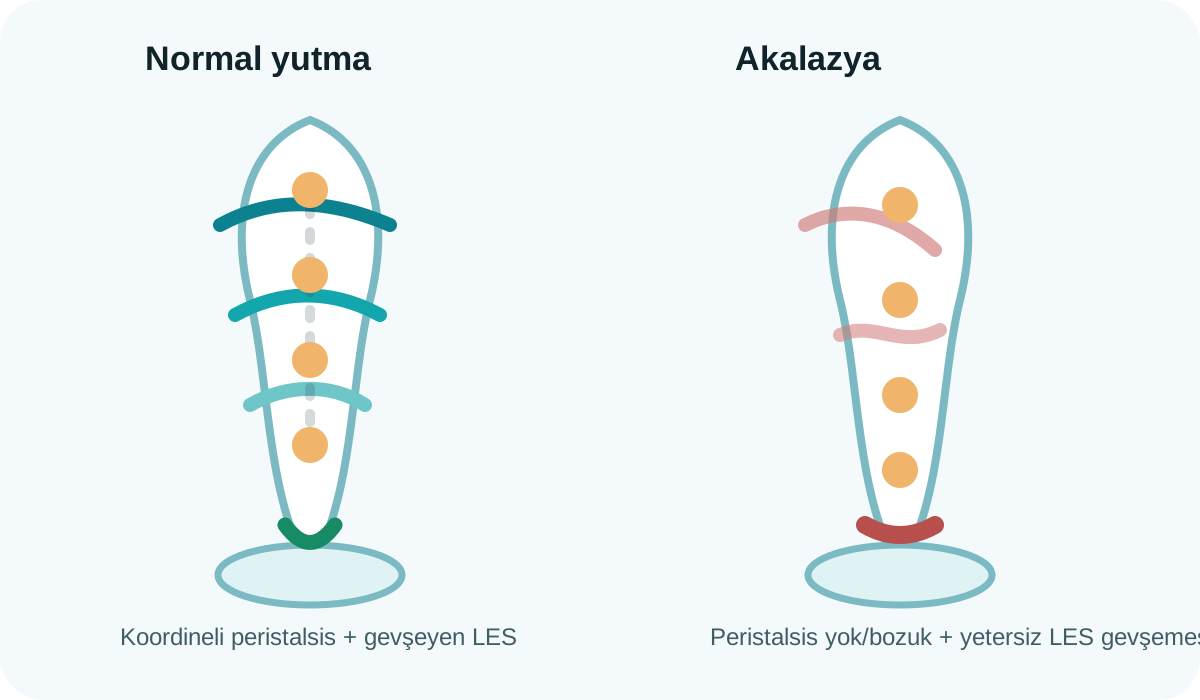
Why does the “gate” at the end of the oesophagus fail to relax?
Achalasia is a motility disorder involving impaired peristalsis and incomplete relaxation of the lower oesophageal sphincter. Treatment focuses on reducing outflow resistance.
Type I, II and III are not the same manometric pattern.
Subtype is not guessed from symptoms; it is defined by high-resolution manometry. Explore each type with its own explanation, schematic and treatment implications.
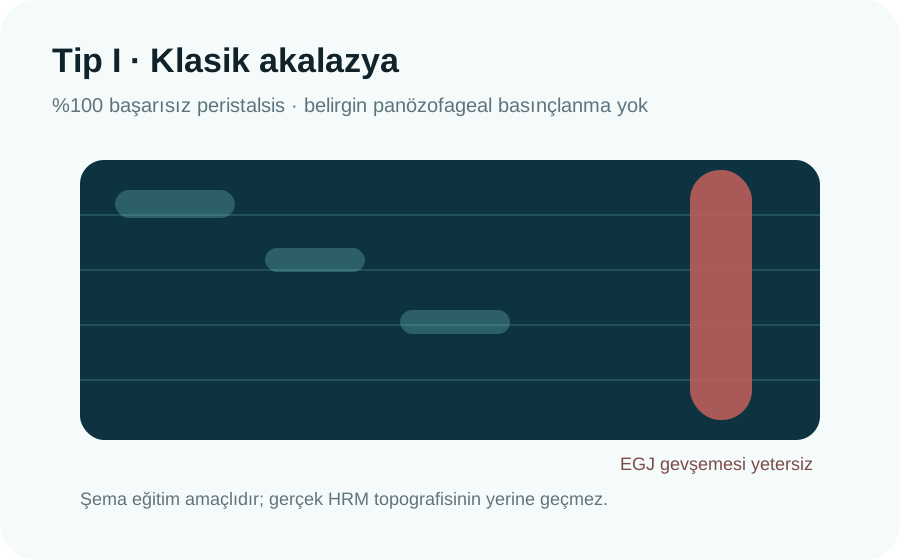
Classic achalasia
Abnormal IRP + 100% failed peristalsis; no prominent panesophageal pressurisation.
Open →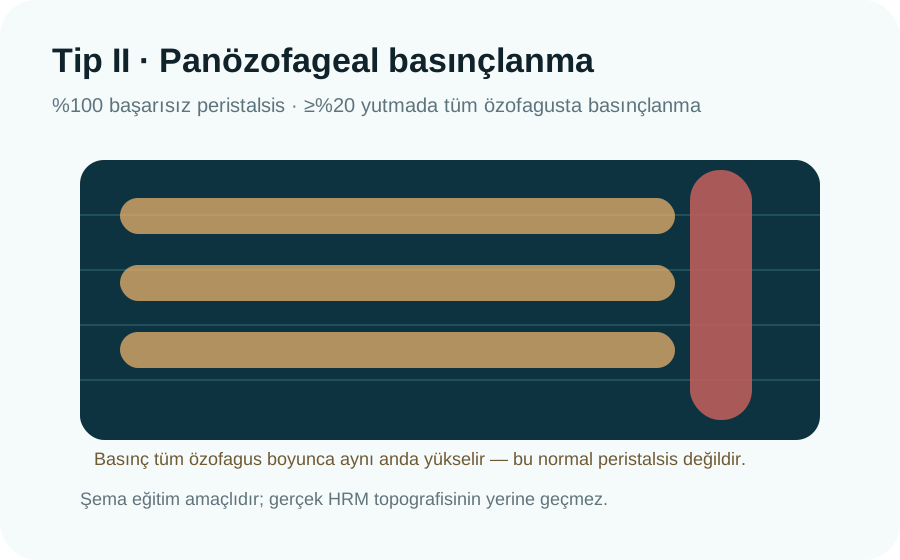
Panesophageal pressurisation
Abnormal IRP + 100% failed peristalsis + panesophageal pressurisation in ≥20% of swallows.
Open →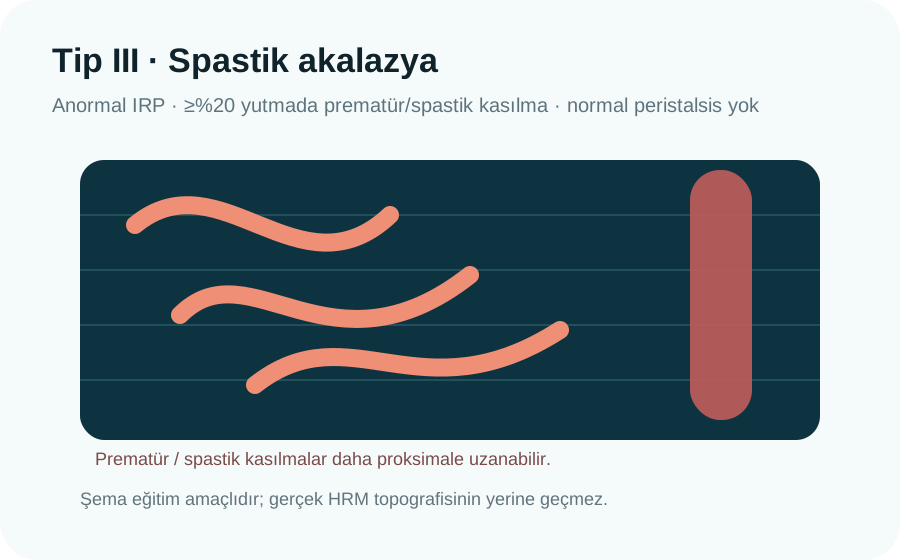
Spastic achalasia
Abnormal IRP + ≥20% premature/spastic contractions; no normal peristalsis.
Open →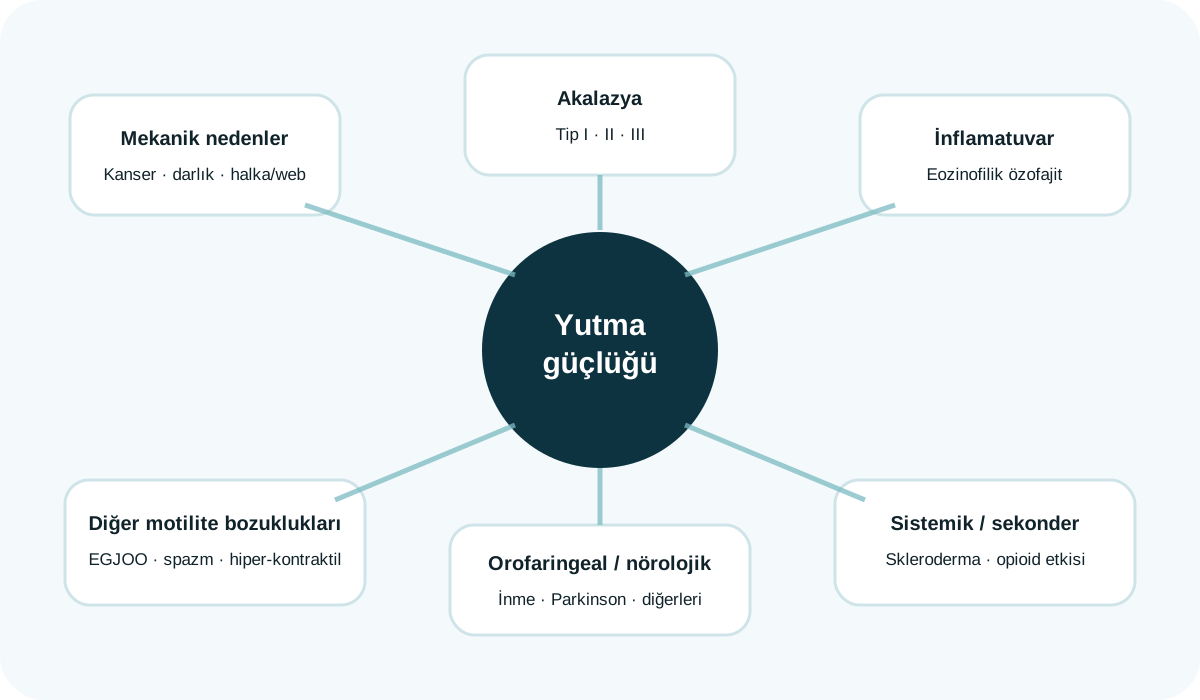
Achalasia is not the only cause of swallowing difficulty.
Pseudoachalasia, tumours near the gastro-oesophageal junction, EGJ outflow obstruction, distal spasm, eosinophilic oesophagitis, strictures and oropharyngeal causes can mimic achalasia. This section explains why differential diagnosis matters.
What If It Is Not Achalasia? →Endoscopy or surgery? There is no one-line answer.
The right decision combines subtype, previous treatment, reflux risk, anatomy, patient preference and centre expertise.
POEM
Endoscopic myotomy through the mouth; particularly important in Type III.
Open →SURGICALHeller + Fundoplication
Laparoscopic myotomy with an anti-reflux procedure.
Open →ENDOSCOPICPneumatic Dilation
Graded balloon dilation; an option in selected patients.
Open →SELECTEDBotulinum Toxin
A temporary approach in selected patients not suitable for more durable therapies.
Open →“What can I eat?” can be as important as the procedure question.
Swallowing difficulty can reduce energy and protein intake. Nutrition is addressed by disease stage, weight loss and pre/post-procedure needs.
Weight loss, reduced intake and symptom burden should be considered together.
Send your case directly before travelling to Türkiye.
Select your symptoms, known diagnosis, proposed procedure and available records in a few steps. The site creates a structured WhatsApp case summary so our team can guide the review and appointment pathway.
See the evidence behind the information; make personal decisions with a physician.
Akalazya.com is condition-centred. Assoc. Prof. Süleyman Günay’s clinical and academic identity is shown transparently, while treatment content is supported by independent international guidelines.
Structure your symptoms without turning them into a diagnosis.
You may have arrived because you suspect achalasia, but the same symptoms can occur with other conditions. Select your symptoms and known findings. This tool does not diagnose or estimate disease probability; it only structures what you report.